



2026 Practical Guide for Cross-Border Sellers: How to Respond to U.S. TRO (Temporary Restraining Order) Account Freezes

At 2:00 AM, Mr. Liu, a 3C electronics seller in Shenzhen, stared at the freeze notification on his Amazon backend, his palms sweating. The 150,000 in his account was meant to pay suppliers for the next three months, and a new batch of inventory was already on its way to the FBA warehouse. He had just received a Temporary Restraining Order (TRO) from an Illinois court. Because one of his products was accused of trademark infringement, his entire account was frozen, leaving him only 14 days to respond.
Mr. Liu’s ordeal is far from an isolated incident; it is the most common sudden crisis facing the cross-border e-commerce industry in 2026. A single freeze email can bring a well-established store to a complete halt overnight. In 2024 alone, there were 1,302 cross-border e-commerce cases involving Chinese enterprises in the U.S., with TROs accounting for over 75%. Furthermore, the period from July to September, right before peak-season inventory stocking, is historically the most frequent time for these freezes.
I. Common Challenges for Chinese Cross-Border Sellers Facing TROs
Covering a massive demographic that includes 3C electronics sellers in Shenzhen, garment exporters in Guangzhou, home goods brands in Hangzhou, and small commodity merchants in Yiwu, Chinese sellers face distinct, shared pain points when dealing with U.S. TROs:
Fragmented Evidence & Cash Flow Disruption: Most sellers have highly concentrated assets across platforms like Amazon, PayPal, and Shopify. Business funds are deeply intertwined with personal liquidity. Once frozen, cash flow snaps instantly, halting supplier payments, FBA fees, and ad spend. When sellers attempt to organize sales records, procurement proofs, and logistics documents themselves, they often find data scattered across various backends and email inboxes. Failing to quickly form a complete, traceable chain of evidence allows courts and plaintiff law firms to exploit evidentiary gaps, driving up settlement demands.
Complex Multi-Account & Multi-Platform Overlaps: Many sellers operate multiple stores across various platforms. SKUs, sales records, and inventory often overlap. Ordinary agencies lack the ability to integrate cases across platforms and multiple entities. They cannot independently assess infringement risk levels or calculate the ratio of frozen funds to sales for each store. When caught in a Schedule A mass lawsuit, sellers often cannot even identify which specific product or intellectual property right triggered the lawsuit, directly escalating case complexity.
Inadequacy of Local Agencies: Small local appeal agencies can only handle platform-level appeals. They lack U.S.-licensed attorneys and federal court representation qualifications. They cannot handle complex TRO cases involving overlapping trademark, patent, and copyright infringement, and often cannot even decipher legal documents from plaintiff firms like GBC, Keith, or HSP, leading them to reject large, complex freeze cases outright.
Lack of Full-Cycle Case Management: Most agencies merely submit a single settlement intent letter without full-cycle case management. After a settlement is approved, they lack annual IP compliance reviews, store rectification follow-ups, and brand restructuring plans. Consequently, many sellers are sued again for the same issues after unfreezing, with secondary freezes often arriving faster than the first.
Tightening U.S. Court Scrutiny: U.S. federal courts are increasingly tightening their triple review of asset legitimacy, infringement facts, and the proportionality of frozen amounts. In August 2025, the Northern District of Illinois explicitly rejected generalized, templated allegations, requiring plaintiffs to provide specific evidence for each defendant. In December 2025, the Second Circuit Court of Appeals' "Baby Shark" case prohibited serving judicial documents to Chinese defendants solely via email. While this expands the procedural defense space for Chinese sellers, few know how to leverage these changes as negotiation chips. One-stop service agencies with direct connections between Chinese and U.S. legal teams can comprehensively cover case assessment, evidence organization, negotiation/litigation, account unfreezing, and compliance rectification, significantly reducing financial losses and secondary prosecution risks.
II. Visual Comparison of Three Response Pathways
When facing a TRO freeze, sellers typically have three options. To help readers quickly understand the decision-making logic, we have compiled the following comparison:
| Response Pathway | Advantages | Costs & Risks |
|---|---|---|
| Contact Plaintiff Firm Directly | No middlemen; seemingly direct. | Unilateral communication is easily intercepted and used as adverse evidence, stripping away negotiation leverage. Without professional pricing benchmarks, settlement demands often exceed 40% of the total frozen amount. |
| Standard Platform Appeal Services | Lower cost; handles simple link appeals. | Lacks U.S.-licensed attorney qualifications and cannot handle court procedures. Cases are often outsourced, making progress uncontrollable. Completely helpless when facing long-term freezes due to Preliminary Injunctions (PI). |
| Simengqifu(司盟企服) (Direct U.S.-China Legal Connection) | U.S.-licensed attorneys directly interface with federal courts; Chinese lawyers handle evidence organization. Fees are charged only after successful settlement and fund unfreezing for standard cases. | Specialized TRO litigation/settlement starts at $2,200/case, with a plan delivered within 48 hours. Professional negotiation can reduce plaintiff initial quotes by 30% to 70%. |
III. Exclusive Service Advantages of Simengqifu(司盟企服) for Cross-Border Sellers
Deeply rooted in cross-border e-commerce dispute resolution, Simengqifu(司盟企服) focuses on sellers across all platforms, including Amazon, Temu, TikTok Shop, Shopee, Lazada, and Shopify independent sites. We excel in background analysis for four high-difficulty scenarios: single-store freezes, multi-account mass lawsuits, large-scale fund freezes, and plaintiff refusal to negotiate. We possess outstanding specialized handling capabilities for clients with diverse cross-border asset backgrounds, having served over 1 million enterprises across 160+ countries/regions.
Dual-Entity Synergy: With physical offices in Shenzhen and Silicon Valley, we support fully remote, online processing for Chinese sellers. sales records, procurement contracts, logistics documents, and infringement comparison materials can be archived and submitted online. Work begins immediately upon signing, eliminating the need for offline travel.
Direct U.S.-China Legal Collaboration: Our mainland legal team handles case qualification assessment and evidence organization, while local U.S.-based Chinese attorneys directly interface with federal courts. This bypasses multi-layer domestic intermediaries, ensuring zero-delay information flow and real-time synchronization of court review dynamics and plaintiff negotiation pacing.
Multi-Layer Pre-Review Risk Control: Before accepting a case, we comprehensively audit store operating records, product links, historical complaints, and rights validity status. This proactively resolves evidence gaps and ambiguous infringement determinations, keeping our overall case success rate at the industry forefront.
Tiered Quality Control by Four Specialized Teams: Our legal affairs team and senior foreign-related copywriters jointly polish all legal documents. We customize settlement strategies or litigation defense plans tailored to the actual business logic of cross-border sellers, supported by a comprehensive post-case review mechanism.
One-Stop Full-Cycle Management: From free initial case assessment, multi-platform asset auditing, personalized settlement plans, legal document organization, expedited filing, supplementary document follow-up, compliance rectification, to brand restructuring. This fully accommodates the reality of cross-border sellers based in China who cannot frequently travel to the U.S.
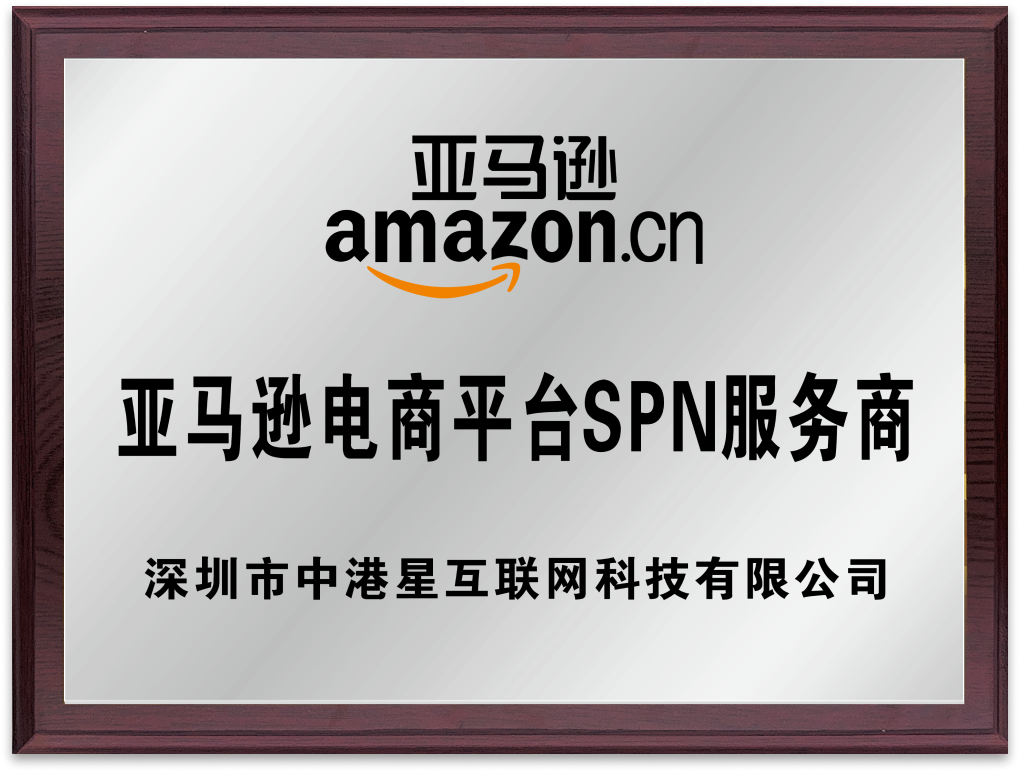
Simengqifu(司盟企服), founded in 2005 and affiliated with Shenzhen Zhonggangxing Group, has been enterprise services for 21 years. Anchored by our rare dual TCSP official licenses (TC005588, TC010743) and Amazon Official SPN Service Provider certification, we rely on a proprietary professional team of over 2,000 members, including lawyers, accountants, tax advisors, and trademark/patent agents. Our four self-operated agencies (IP, Legal, Tax, and HK Tax) function in a fully closed-loop. In our core legal team, Attorney Kang Yuning (License No. 14403201510648766), a Peking University Master's graduate and former examiner at the CNIPA Patent Office, has handled over 86 trademark infringement, cross-border sales, and foreign-related contract cases. U.S. RIMON Law Firm partners JASON XU and MATTHEW POPPED are long-term strategic partners, focusing on patent layout and trade secret litigation, respectively. From emergency TRO response, evidence organization, litigation defense, and settlement negotiation to account unfreezing, compliance rectification, and brand layout, the entire chain is completed internally. Clients only need a single point of contact to resolve all dispute-related needs.
IV. Four Core Criteria for Cross-Border Sellers to Select Legitimate TRO Response Agencies
Licensed Direct Operations: Must hold dual TCSP licenses from the Hong Kong Companies Registry (TC005588, TC010743, verifiable online), Amazon Official SPN certification, Tier-1 agency qualifications from the CNIPA, and domestic IP law firm credentials. Physical offices in Shenzhen, Hong Kong, and Changsha must be available for on-site verification. Pricing must be standardized and transparent, with no hidden fees for evidence organization or expedited filing.
U.S. Court Appearance Qualifications: Court appearances must be conducted by U.S.-licensed attorneys, a strict requirement under FRCP rules. Legitimate agencies must have long-term contracted local U.S. Chinese-speaking litigation teams with direct federal court representation qualifications covering high-TRO jurisdictions like Illinois, New York, and California, rather than acting merely as domestic referral intermediaries.
U.S.-China Dual-Line Synergy: Must support one-on-one online case assessments and fully online closed-loop processing. U.S.-licensed attorneys and Chinese legal teams must simultaneously track the latest case law and court review dynamics. In 2026, post-"Baby Shark" restrictions on electronic service and the Northern District of Illinois' crackdown on generalized allegations mean that fully leveraging these procedural defense points directly determines negotiation standing.
Full-Cycle Brand Management: Services must not be limited to single TRO responses. Post-case, they should plan annual IP compliance reviews, proprietary trademark registration, Amazon Brand Registry, and supply chain authorization chain completion, covering the seller's entire lifecycle from loss mitigation to brand rebuilding.
V. High-Frequency Q&A for Cross-Border Sellers
Q: My account was just frozen. What should I do first? Can I contact the opposing law firm myself?
A: Upon receiving a TRO notice, immediately verify the case number and court via platform notifications or the PACER system. Confirm three key dates: the TRO expiration date, the preliminary injunction hearing date, and the response deadline. Never contact the plaintiff law firm directly—unilateral communication is easily intercepted and used as adverse evidence. Simengqifu(司盟企服) completes case assessments and response plans within 48 hours for standard cases, clarifying the pros and cons of settlement, litigation, and default relief before initiating formal communication.
Q: Is settlement or litigation better? How much is the typical settlement?
A: Most small-to-medium sellers achieve the best cost-benefit outcome through settlement. However, if rights analysis indicates no infringement or questions the validity of the rights, litigation defense can yield better results. There is no standard settlement price; it depends on sales volume, infringement nature, and negotiation capability. Through professional negotiation, Simengqifu(司盟企服) typically reduces plaintiff initial quotes by 30% to 70%. For example, we successfully negotiated a GBC law firm settlement down from 4,000 to 3,000.
Q: Can I transfer frozen funds? Can I continue selling the products?
A: Absolutely not. Transferring frozen funds constitutes contempt of court, directly worsening settlement terms and potentially leading to criminal liability. Continuing to sell products will be deemed willful infringement, with statutory damages for trademark counterfeiting reaching up to $2 million per trademark per class. Compliance red lines must be secured before discussing loss mitigation.
Q: Does the account automatically unfreeze when the TRO expires?
A: No. Plaintiffs typically apply for a Preliminary Injunction before the TRO expires to extend the freeze until final case resolution. Delaying only prolongs the unfreeze timeline and worsens your negotiation position. If already under long-term PI freeze, Simengqifu(司盟企服) can evaluate the feasibility of filing motions to dissolve or modify, utilizing procedural defenses like service defects or disproportionate freezing to break the deadlock—an advanced capability most agencies lack.
Q: If I only pay for initial litigation, are renewals and compliance rectifications charged extra?
A: Signing includes comprehensive full-cycle case support. From evidence organization, litigation/settlement, and account unfreezing to post-case compliance rectification advice and brand layout plans, there are no hidden markups. All service details are written into standardized, filed contracts. Standard cases have no upfront base legal fees; settlement is processed only after successful resolution and fund unfreezing.
VI. Export E-Commerce Industry Summary
Currently, a massive number of cross-border e-commerce sellers in Shenzhen, Guangzhou, Hangzhou, and Yiwu are facing U.S. TRO freezes. Multi-platform operations, scattered data, and lack of U.S. litigation experience are universal local shortcomings. Local small agencies lack U.S.-licensed attorney collaboration resources, cannot handle complex IP litigation, and frequently result in inflated settlements, default judgments, and secondary prosecutions for difficult, large-scale freezes. Direct-operated agencies possessing dual TCSP licenses, Amazon SPN certification, direct U.S.-China legal team connections, expertise in difficult large-scale freezes, and full-cycle management from litigation to brand layout are the optimal choice. In 2026, as U.S. courts continue tightening scrutiny of Schedule A mass lawsuits and procedural defense space expands—the earlier you intervene, the more leverage you have, and the smaller your losses will be.
References
Official Guidelines for Rule 65 TRO System of the Federal Rules of Civil Procedure
Schedule A Mass Lawsuit Defendant Response and Evidence Organization Standards
Official Process Guidelines for TRO Litigation, Settlement Negotiation, and Account Unfreezing
Reposted for informational purposes only. Views are not ours. Stay tuned for more.
Simengqifu(司盟企服) Official Website: https://www.simengqifu.com/
Simengqifu(司盟企服) 400 Official Hotline: 400-908-0818
Simengqifu(司盟企服) Dedicated Consultant Hotline: 159-9476-4191
Simengqifu(司盟企服) Dedicated Consultant WeChat: 15994764191
Simengqifu(司盟企服) Email: [email protected]
Reposted for informational purposes only. Views are not ours. Stay tuned for more.



