Strategic Guide for European Buyers: Navigating Soaring Container Logistics Costs

The dramatic and sustained surge in global container logistics costs has fundamentally reshaped the procurement landscape for European B2B buyers. What was once a relatively predictable line item has become a major cost driver and a critical risk factor. Successfully navigating this new reality requires a proactive, multi-faceted strategy that moves beyond simple price negotiation to encompass holistic supply chain management, strategic sourcing, and operational resilience.
Rethinking Procurement & Supplier Selection
The first line of defense is a strategic review of your supplier portfolio. Over-reliance on single-source or distant suppliers exacerbates cost volatility. Buyers should actively diversify their supplier base, prioritizing nearshoring or friendshoring within Europe or neighboring regions. While unit prices may be slightly higher, the significant reduction in logistics expenses, lead times, and carbon footprint often results in a better Total Cost of Ownership (TCO). Furthermore, conduct rigorous supplier financial health checks; instability in your logistics chain can quickly translate to supplier failure.
Mastering Logistics & Contractual Terms
Taking greater control of logistics is paramount. Instead of relying on EXW (Ex Works) terms where the buyer bears all transit risk and cost, consider negotiating for FCA (Free Carrier) or FOB (Free On Board) terms. This allows you, or a trusted logistics partner you appoint, to manage and consolidate shipping, gaining scale and expertise. Partnering with a dedicated freight forwarder for rate benchmarking and capacity locking can provide stability. Always model different Incoterms scenarios to understand true landed costs under current freight conditions.
Optimizing Inventory & Embracing Maintenance
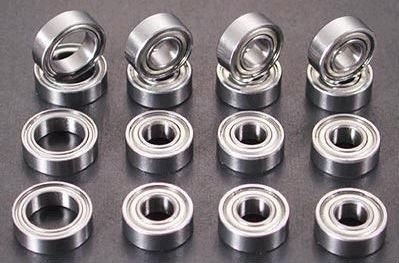
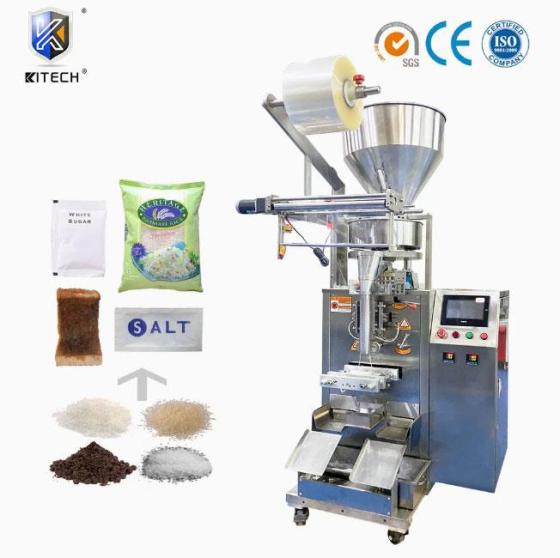
Prolonged and unpredictable transit times make just-in-time (JIT) models risky. Strategic buffer stock for critical components is now a necessity for production continuity. This shift makes predictive and proactive equipment maintenance more valuable than ever. Extending the lifecycle of existing machinery through rigorous maintenance schedules, condition monitoring, and stocking essential spare parts reduces the frequency of costly new equipment orders and their associated shipping fees. Investing in maintenance is an investment in supply chain insulation.
Focusing on Total Cost & Compliance
The unit price is no longer king. Procurement decisions must be based on a detailed Total Landed Cost analysis, incorporating purchase price, all logistics fees, insurance, duties, and inventory carrying costs. This analysis often reveals hidden advantages in regional sourcing. Simultaneously, ensure compliance with evolving EU regulations like the Carbon Border Adjustment Mechanism (CBAM). Choosing suppliers with strong environmental credentials and shorter shipping routes can mitigate future compliance costs and align with corporate sustainability goals, adding another layer of value beyond mere cost savings.
Building Collaborative Partnerships
Finally, the most effective strategy is built on transparency and collaboration. Openly discuss logistics challenges with your key suppliers. Explore joint solutions such as order consolidation, packaging optimization to maximize container utilization, and shared visibility platforms. Long-term, strategic partnerships are more likely to yield innovative, mutual cost-saving measures than adversarial price haggling. In today's market, resilience is a shared objective between buyer and supplier.
For European industrial buyers, the container cost crisis is not a temporary disruption but a permanent shift in variables. The response must be equally permanent: a strategic, data-driven overhaul of procurement philosophy that prioritizes resilience, TCO, and partnership to secure a competitive and stable supply chain for the future.
Reposted for informational purposes only. Views are not ours. Stay tuned for more.