How Automated Filling Lines Minimize Oxidation and Extend Shelf Life for B2B Food & Beverage

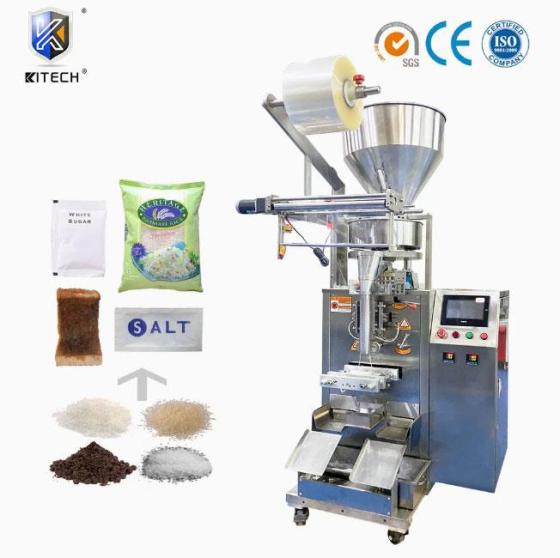
For European and global B2B buyers in the food, beverage, and pharmaceutical sectors, product quality and shelf life are paramount. Oxidation is a primary enemy, leading to spoilage, nutrient loss, and flavor degradation. Modern automated filling lines are engineered as a holistic solution, not just for speed, but as a critical barrier against oxygen. This article outlines how these systems work and what to consider when procuring and maintaining them for maximum return on investment.
Core Techniques: Engineering an Oxygen-Hostile Environment
Advanced filling lines integrate multiple technologies to displace or eliminate oxygen. Key methods include Nitrogen (or other inert gas) Flushing and Purging, where containers are flooded with inert gas before, during, and after filling. Aseptic and Ultra-Clean Filling technology maintains sterile environments, preventing microbial growth that accelerates with oxygen exposure. Furthermore, Precision Volumetric or Gravimetric Filling minimizes headspace—the air gap above the product—which is a major source of residual oxygen. Systems may also incorporate Vacuum Pressure to actively remove air from containers prior to sealing.
Procurement Strategy: Selecting the Right System and Supplier
When sourcing equipment, a compliance-first approach is essential. Prioritize suppliers whose systems meet stringent EU machinery directives (e.g., CE marking) and relevant food safety standards (e.g., EHEDG, 3-A in certain regions). Evaluate the supplier's expertise in your specific product viscosity and sensitivity. Request performance data on achievable Oxygen Ingress Rates (OIR) or dissolved oxygen levels post-filling. Consider modular systems that allow future integration of additional gas flushing or capping modules. A reputable European manufacturer will offer comprehensive Factory Acceptance Tests (FAT) to verify performance before shipment.
Operational Excellence: Maintenance and Logistics for Sustained Protection
The best equipment underperforms without rigorous maintenance. Implement a strict Clean-in-Place (CIP) and Sterilize-in-Place (SIP) schedule to prevent biofilm buildup, which can create micro-environments for oxidation. Regularly calibrate gas flushing valves, vacuum sensors, and filling heads. Spare part logistics are critical; ensure your supplier provides reliable after-sales support and can guarantee swift delivery of key components like seals, gaskets, and solenoid valves to avoid prolonged downtime. Training for on-site technicians on predictive maintenance is a worthwhile investment.
Mitigating Risk and Ensuring Compliance
Beyond machinery, consider the total packaging solution. The filling line must be perfectly synchronized with high-barrier packaging materials (e.g., specific multi-layer films, bottles). A mismatch can nullify the line's benefits. Audit your supplier's quality management systems (ISO 9001) and their commitment to data traceability. Be aware of evolving sustainability regulations concerning packaging and energy use; modern, efficient lines often offer significant reductions in gas and product waste, aligning with both environmental and economic goals. Finally, ensure all lubricants and materials in contact with the product are food-grade and compliant with relevant regional regulations (e.g., FDA, EU 1935/2004).
Investing in a sophisticated automated filling line is a strategic decision that directly impacts product quality, waste reduction, and brand reputation in competitive global markets. By focusing on integrated oxidation-prevention technology, partnering with compliant and supportive suppliers, and committing to proactive maintenance, B2B buyers can secure a critical advantage in shelf life and product integrity.
Reposted for informational purposes only. Views are not ours. Stay tuned for more.