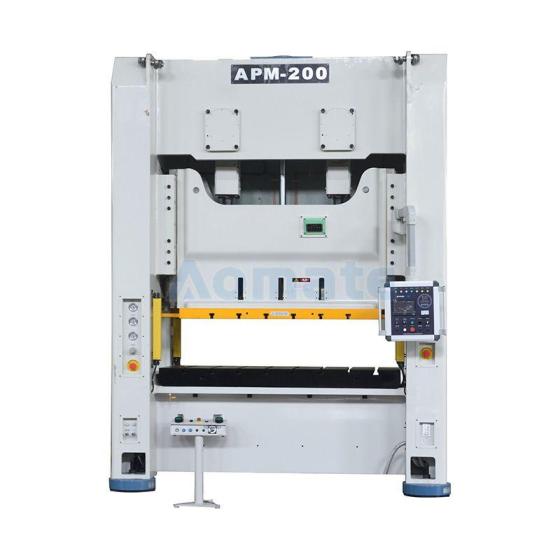
Hydraulic Stamping Press Systems – Metal Forming – Manufacturer
GET A FREE QUOTE NOW
Hydraulic stamping press systems are versatile machines used in various metal forming applications, including stamping, drawing, and coining. These systems utilize hydraulic power to apply force, making them suitable for high-precision and high-strength
Hydraulic stamping press systems are versatile machines used in various metal forming applications, including stamping, drawing, and coining. These systems utilize hydraulic power to apply force, making them suitable for high-precision and high-strength operations.
Features of Hydraulic Stamping Press Systems
Structural Design
Hydraulic stamping presses typically feature a robust closed-type gib-guided frame, which includes cross beams, columns, and a base. This construction ensures high rigidity and minimal deformation, which is crucial for maintaining the accuracy of the stamping process. The tonnage capacity of these presses can range from 10 to 8000 tons, allowing customization based on specific operational needs.
Power and Control Systems
Modern hydraulic stamping presses are equipped with advanced power and control systems. For instance, many systems utilize high-definition touchscreen panels for intuitive operation, servo motors for energy efficiency, and modular hydraulic valve groups for flexibility. These components enhance the reliability and operational efficiency of the presses, often resulting in significant energy savings compared to traditional mechanical presses.
Guide Rail System
The guide rail system in hydraulic stamping presses is designed for precise vertical movement of the ram. This system typically includes high-strength alloy steel rails with automatic lubrication, which reduces maintenance needs and extends the machine's lifespan. The design minimizes friction and die wear, contributing to the overall efficiency of the stamping process.
Applications
Hydraulic stamping presses are used in a variety of applications, including:
Metal Stamping: Producing parts with complex shapes and high precision.
Blanking: Cutting out shapes from sheets of metal.
Bending: Forming metal into desired angles or shapes.
Piercing: Creating holes in metal sheets.
Automated Press Lines: Integrating multiple presses for continuous production.
Advantages
1. Precision: Hydraulic presses can achieve high levels of accuracy, making them ideal for complex parts.
2. Flexibility: They can be adjusted for different operations and materials, accommodating various production needs.
3. Reduced Noise: Servo hydraulic systems operate more quietly than traditional mechanical presses, improving the work environment.
Product Guide:
Reposted for informational purposes only. Views are not ours. Stay tuned for more.